
The 2004 Acura TSX, particularly with its 6-speed manual, offered a refined driving experience. Owners frequently discuss the unique characteristics
and potential issues within online Acura communities, like AcuraZine and TSX Club.
Early reports highlighted a high clutch release point and occasional difficulty smoothly engaging first through third gears, sparking considerable debate.
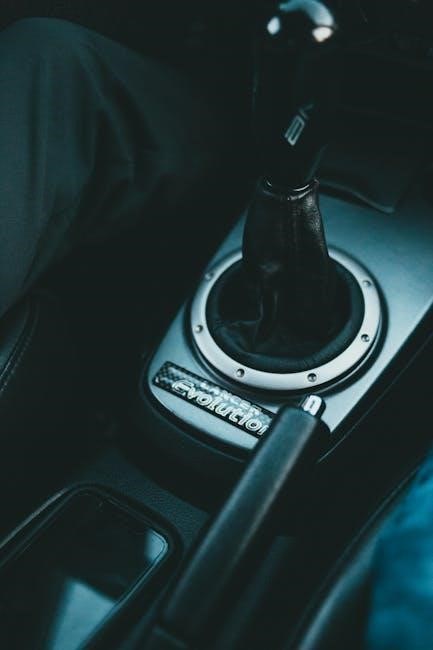
Overview of the 6-Speed Manual
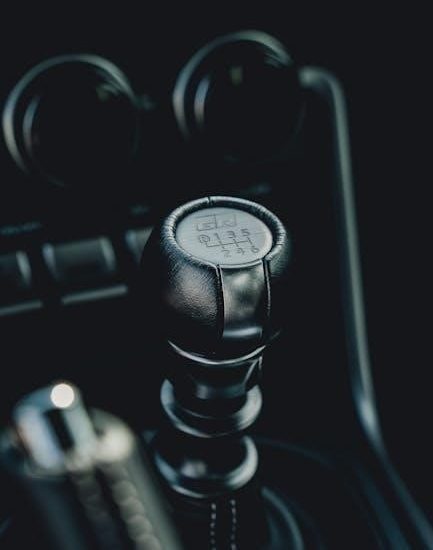
The 2004 Acura TSX’s 6-speed manual transmission was lauded for its responsiveness and engaging feel, a key component of the vehicle’s sporty character. It represented a shift towards a more driver-focused experience compared to the automatic options available. Discussions on AcuraZine frequently center around the transmission’s precise shifts and overall refinement, though some owners noted a higher-than-average clutch release point.
This transmission utilizes a hydraulic clutch system, where pressing the clutch pedal actuates a master cylinder, sending fluid pressure to a slave cylinder that disengages the clutch. As Reddit’s r/MechanicAdvice explains, this action physically separates the engine and transmission, allowing for gear changes. The gearbox itself features robust internal components, though reports indicate potential wear in the carrier and differential bearings over time, particularly with higher mileage.
The 6-speed design provides a wider range of gear ratios, enhancing both acceleration and fuel efficiency. However, the initial engagement of 1st-3rd gears can be described as “iffy” by some owners, requiring a deliberate and precise technique.
Why the 2004 TSX Manual is Notable
The 2004 Acura TSX with a manual transmission holds a special place for enthusiasts due to its blend of luxury and driver engagement. It offered a rare combination in its class – a comfortable, well-equipped sedan with a genuinely fun-to-drive 6-speed gearbox. This appealed to drivers seeking a more involved experience than typical entry-level luxury cars provided.
Its notability also stems from the common issues reported by owners, documented extensively on forums like TSX Club and AcuraZine. These concerns, such as the high clutch release point and difficult gear engagement, fostered a strong community dedicated to troubleshooting and sharing repair knowledge.
Furthermore, the relatively early failure of carrier and differential bearings, as reported on CarComplaints.com, highlighted a potential weakness in the transmission’s design, making preventative maintenance and awareness crucial for owners. Despite these issues, the TSX manual remains a sought-after vehicle for its unique character.

Common Issues & Symptoms
Owners report a consistently high clutch release point, alongside challenging gear engagement, particularly in 1st-3rd. Drivetrain noises also emerge, potentially indicating bearing wear.
High Clutch Release Point
A frequently cited issue with the 2004 Acura TSX manual transmission is a noticeably high clutch release point. Many owners on AcuraZine and TSX Club forums describe the pedal needing to be almost fully depressed before the clutch engages, differing from typical driving experiences.
This can lead to driver fatigue during city driving and make smooth starts more difficult. While not necessarily indicative of immediate failure, it’s a common complaint. Some speculate it’s a characteristic of the hydraulic clutch system, while others suggest potential air in the lines or a worn master/slave cylinder.
Adjustments are sometimes possible, but the root cause isn’t always easily identified. It’s often described as a nuisance rather than a debilitating problem, but it’s a consistent point of discussion among TSX manual transmission owners seeking solutions or simply comparing experiences.
Difficult Gear Engagement (1st-3rd)
Alongside the high clutch release point, many 2004 Acura TSX manual transmission owners report difficulty engaging first, second, and third gears, particularly when rolling at lower speeds. Discussions on AcuraZine detail a “iffy” or grinding sensation during these shifts, requiring deliberate effort to find the gear.
This isn’t consistently present across all vehicles, suggesting variations in transmission wear or hydraulic system performance. Some theorize a slight misalignment or wear within the synchros contributes to the issue. The problem seems exacerbated when the engine is cold, hinting at fluid viscosity playing a role.
While not always a sign of impending failure, persistent difficulty engaging gears warrants investigation; Owners often share experiences attempting to diagnose and mitigate the problem, ranging from fluid changes to more extensive transmission inspections.
Drivetrain Noises
Reports of unusual noises emanating from the drivetrain are relatively common among 2004 Acura TSX owners with manual transmissions, particularly as mileage increases. CarComplaints.com documents instances of noises appearing around the 54,000-mile mark, often leading to dealership diagnoses of worn carrier and differential bearings.
These noises can manifest as whining, grinding, or clicking sounds, often changing with vehicle speed or gear selection. Some owners describe the sound as more pronounced during acceleration or deceleration. Identifying the precise source of the noise can be challenging, requiring careful inspection of the transmission and associated components.
Early detection is crucial, as ignoring drivetrain noises can lead to more significant and costly damage. Online forums, like Reddit’s r/MechanicAdvice, offer a platform for owners to share experiences and seek diagnostic guidance.
Technical Aspects of the Transmission
The 2004 TSX manual transmission utilizes a hydraulic clutch system; pressing the pedal actuates fluid, disengaging the engine from the transmission via friction.
Clutch System Operation
The clutch system in the 2004 Acura TSX manual transmission is a critical component, responsible for smoothly transferring power from the engine to the wheels. As described in discussions on Reddit’s r/MechanicAdvice, the fundamental principle involves disengaging the engine and transmission when the clutch pedal is depressed.
This disengagement is achieved through hydraulic fluid, which acts upon a lever – often referred to as a fork – to physically separate the engine and transmission. Positioned between these components is the clutch disc, a friction material designed to ‘grab’ and transmit power when the pedal is released and the engine and transmission are brought closer together.
A high clutch release point, frequently noted by TSX owners on AcuraZine, indicates the pedal needs to travel further before fully disengaging the clutch. This can lead to difficulty in smooth gear changes, particularly when engaging first, second, and third gears. Proper hydraulic pressure and clutch disc condition are vital for optimal operation.
Hydraulic Clutch System Explained
The 2004 Acura TSX’s manual transmission utilizes a hydraulic clutch system to translate pedal movement into clutch engagement and disengagement. Unlike a cable-operated system, this relies on hydraulic fluid pressure to actuate the clutch fork. When the driver presses the clutch pedal, it pushes a master cylinder, forcing fluid through a line to the slave cylinder located near the transmission.
The slave cylinder then pushes on the clutch fork, which in turn disengages the clutch. Any air within this hydraulic system, or a failing master/slave cylinder, can result in a spongy pedal feel or a high clutch release point – common complaints found on AcuraZine forums.
Maintaining proper fluid levels and bleeding the system to remove air are crucial for optimal performance. Leaks in the lines or cylinders will also compromise the system’s ability to effectively disengage the clutch, leading to difficulty shifting, as discussed within TSX enthusiast communities.
Carrier and Differential Bearings
A concerning issue reported by 2004 Acura TSX manual transmission owners, as highlighted on CarComplaints.com and Reddit’s r/MechanicAdvice, involves premature wear of the carrier and differential bearings. These bearings are critical components within the transmission, supporting the rotating shafts and ensuring smooth power transfer.
Reports indicate failures occurring even below 54,000 miles, which is relatively low for a vehicle of this age. Worn bearings manifest as noticeable drivetrain noises – whining, grinding, or clunking sounds – particularly during acceleration or deceleration. These noises suggest internal damage and potential for further failure.
The root cause isn’t definitively established, but factors like aggressive driving, infrequent fluid changes, or manufacturing defects are suspected. Replacing these bearings requires a complete transmission disassembly, making it a labor-intensive and costly repair.

Repair & Maintenance
Addressing TSX manual transmission issues often involves clutch plate access and loosening, as detailed in Acura TSX forum discussions. Proper adjustment procedures are crucial for optimal performance.
Accessing and Loosening the Clutch Plate
Gaining access to the clutch plate on a 2004 Acura TSX requires careful attention to detail. Forum posts on Acura TSX Club and AcuraZine highlight a common challenge: locating all the securing bolts. While the primary bolts are readily visible, a hidden bolt resides underneath the plate itself, attached to a shaft-like piece.
It’s not always necessary to completely remove this final bolt; often, simply loosening it sufficiently allows the plate to wiggle free. This is a valuable tip shared by experienced TSX owners who have tackled this repair themselves. Remember to support the transmission adequately before attempting to loosen any bolts, ensuring safety and preventing damage.

Proper support is vital, as the transmission will need to be partially lowered or supported to create enough working space. Take your time and double-check all connections before proceeding, as forcing anything can lead to stripped bolts or damaged components.

Transmission Adjustment Procedures
Addressing issues with the 2004 Acura TSX manual transmission sometimes requires adjustment rather than full-scale repair, as noted on Kelley Blue Book. While specific procedures vary depending on the symptom, a common area for attention is the clutch pedal feel. A high clutch release point, frequently discussed on AcuraZine, can often be improved with adjustments to the hydraulic clutch system;
However, detailed adjustment procedures aren’t widely available in easily digestible formats online. Many owners rely on trial and error, carefully monitoring the pedal feel after minor adjustments. It’s crucial to avoid over-adjusting, as this can introduce new problems.
Consulting a qualified mechanic is recommended if you’re uncomfortable performing these adjustments yourself. Improper adjustments can lead to incomplete clutch engagement or difficulty shifting, potentially causing further damage to the transmission components.
Potential Causes of Bearing Failure
Premature failure of the carrier and differential bearings within the 2004 Acura TSX manual transmission is a documented concern, as highlighted by reports on CarComplaints.com. Owners have experienced bearing wear at relatively low mileage, sometimes as early as 54,000 miles. Several factors can contribute to this issue.
Aggressive driving habits, including frequent hard launches and abrupt gear changes, place increased stress on these bearings. Insufficient or contaminated transmission fluid can also accelerate wear by reducing lubrication. Furthermore, pre-existing damage to the gears themselves can indirectly contribute to bearing failure.
It’s important to note that the root cause isn’t always immediately apparent. A combination of factors often plays a role, making preventative maintenance – regular fluid changes and mindful driving – crucial for extending the lifespan of these critical transmission components.
Cost of Repairs
Repair costs for the 2004 Acura TSX manual transmission vary. Simple adjustments may be affordable, but complete repairs or replacements, as estimated by Kelley Blue Book, can be substantial.
Transmission Repair Price Estimates
Estimating repair costs for the 2004 Acura TSX manual transmission requires considering the specific issue. Addressing a high clutch release point, often discussed on AcuraZine and TSX Club forums, might involve hydraulic system bleeding or master/slave cylinder replacement. These repairs typically range from $300 to $800, depending on labor rates and parts costs.
More complex problems, such as worn carrier and differential bearings – a concern reported to dealerships with as little as 54,000 miles – significantly increase expenses. Bearing replacement necessitates complete transmission disassembly, cleaning, and reassembly, potentially costing between $1,200 and $2,500. Difficult gear engagement, particularly in 1st-3rd, could stem from internal damage requiring similar extensive work.
Diagnostic fees, ranging from $100 to $200, are usually charged upfront. It’s crucial to obtain multiple quotes from reputable mechanics specializing in Acura vehicles to ensure fair pricing and quality workmanship. Remember that these are estimates, and unforeseen issues discovered during the repair process can affect the final bill.
Transmission Replacement Price Estimates
Replacing the manual transmission in a 2004 Acura TSX represents a substantial investment. The total cost varies significantly based on whether a new, used, or rebuilt transmission is chosen, and labor rates. A used transmission, sourced from a salvage yard, is the most affordable option, typically ranging from $800 to $1,500, plus labor.
However, used transmissions come with inherent risks regarding mileage and condition. A rebuilt transmission, offering a balance of cost and reliability, generally falls between $1,800 and $3,000, including a core charge. A brand-new transmission is the most expensive, costing between $3,500 and $5,000 or more.
Labor for transmission replacement typically ranges from $800 to $1,200, depending on the mechanic’s hourly rate and the complexity of the installation. Don’t forget to factor in the cost of fluids and potentially a new clutch kit if the original isn’t in good condition. Kelley Blue Book provides a useful starting point for estimating these costs.

Resources & Communities
AcuraZine and TSX Club forums are excellent places to connect with other owners. Reddit’s r/MechanicAdvice offers troubleshooting support and shared experiences regarding the 2004 TSX.
AcuraZine Forums
AcuraZine serves as a comprehensive online hub for Acura enthusiasts, and the 2004-2008 TSX (1G) section is particularly active. Numerous threads detail experiences with the 6-speed manual transmission, offering a wealth of information for owners and prospective buyers.
Discussions frequently revolve around the high clutch release point reported by many drivers. Users share insights on adjusting the clutch, though solutions vary in effectiveness. A common complaint centers on the “iffy” engagement of first, second, and third gears, especially during rolling starts. Members have explored potential causes, ranging from clutch wear to hydraulic system issues;
Beyond troubleshooting, AcuraZine provides a platform for sharing modifications and upgrades. You’ll find detailed guides and discussions on clutch replacements, lightweight flywheels, and short-throw shifters. The forum’s search function is invaluable for locating specific information related to the 2004 TSX manual transmission, making it a vital resource for the Acura community.
TSX Club Forums
TSX Club is dedicated specifically to Acura TSX owners and fans, fostering a focused community for discussing all aspects of the vehicle. The forums contain extensive threads concerning the 2004 TSX’s 6-speed manual transmission, offering practical advice and shared experiences.
Like AcuraZine, TSX Club members frequently discuss the high clutch engagement point and the difficulty in smoothly shifting into first, second, and third gears. Users share DIY repair attempts and seek guidance from more experienced members. Discussions often center around identifying the root cause of these issues, with theories ranging from simple adjustments to more complex internal component wear.
The forum excels at providing a space for discussing reliability concerns and potential modifications. Members share information on preventative maintenance, clutch upgrades, and solutions for addressing drivetrain noises. TSX Club is a valuable resource for owners seeking to maintain and improve their 2004 TSX’s manual transmission.
Reddit MechanicAdvice (r/MechanicAdvice)
The r/MechanicAdvice subreddit provides a broader perspective on the 2004 Acura TSX’s manual transmission issues, offering insights from professional mechanics and experienced DIYers alike. Threads dedicated to the TSX often delve into the fundamental operation of the clutch system, explaining how the pedal’s action translates into engagement and disengagement via hydraulic fluid.
Discussions frequently highlight the core principle: pressing the clutch pedal uses hydraulic pressure to push the engine and transmission apart, allowing for gear changes. Users share diagnostic approaches for identifying problems, ranging from simple fluid checks to more in-depth inspections of internal components.
Notably, r/MechanicAdvice threads have documented cases of premature wear in the carrier and differential bearings, even at relatively low mileage (around 54,000 miles). This forum provides a platform for detailed technical discussions and troubleshooting advice, offering a valuable resource for owners facing transmission challenges.