JBL Speaker User Manual: A Comprehensive Guide
Welcome! This comprehensive guide details setup‚ features‚ troubleshooting‚ and safety for your new JBL speaker‚ ensuring optimal performance and enjoyment.
Explore detailed instructions‚ specifications‚ and manuals for various JBL models‚ including quick start guides and app integration details;
Discover how to maximize your speaker’s potential‚ from Bluetooth pairing to utilizing the portable app for configuration and software updates.
Congratulations on choosing a JBL speaker! This section introduces you to the world of premium audio engineered for an immersive listening experience. Your new speaker is designed for portability‚ durability‚ and exceptional sound quality‚ whether you’re enjoying music at home‚ outdoors‚ or on the go.
JBL has a rich history of innovation in audio technology‚ and your speaker embodies this commitment. This user manual serves as your guide to unlocking the full potential of your device. We’ll cover everything from initial setup and Bluetooth pairing to advanced features like PartyBoost and app integration.
Before you begin‚ take a moment to familiarize yourself with the speaker’s components and safety precautions outlined in this manual. Prepare to elevate your audio experience!
Unboxing and Initial Inspection
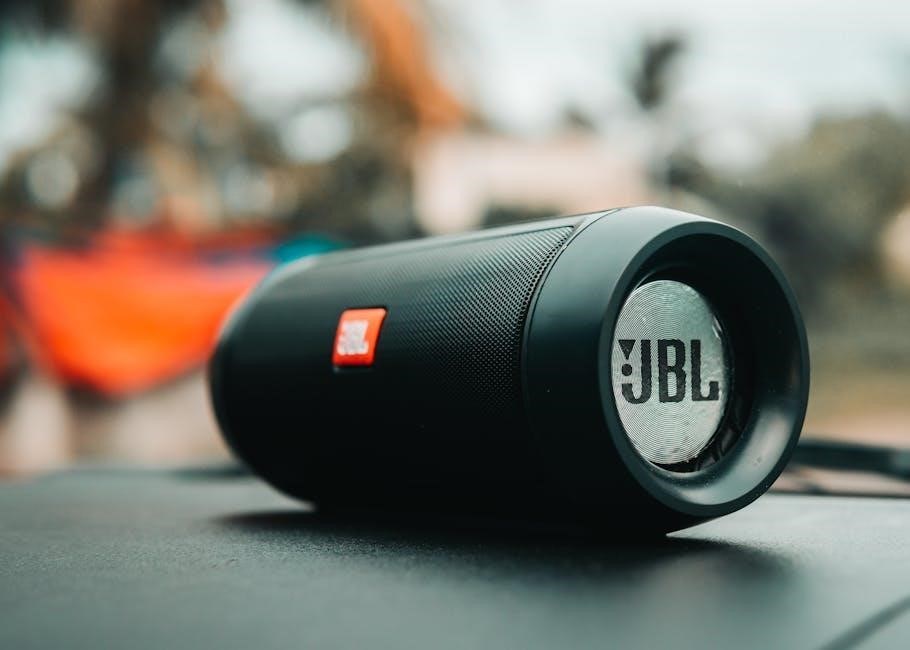
Carefully unpack your JBL speaker and verify that all components are present. Your package should include the speaker itself‚ a charging cable (typically USB-C)‚ and this user manual. Some models may also include a power adapter or additional accessories.
Inspect the speaker for any visible signs of damage incurred during shipping. If you notice any dents‚ scratches‚ or malfunctions‚ immediately contact the retailer or JBL customer support. Do not attempt to operate a damaged speaker.
Retain the original packaging for potential future transport or warranty claims. Before first use‚ wipe down the speaker with a soft‚ dry cloth to remove any dust or residue. Ensure all protective films are removed.
Speaker Component Overview
Familiarize yourself with the speaker’s key components. Locate the power button‚ typically used for turning the unit on and off‚ and the Bluetooth pairing button‚ initiating wireless connectivity. Identify the charging port‚ usually USB-C‚ for replenishing the battery.
Explore the control buttons – volume up/down‚ play/pause‚ and potentially track skip. Some models feature dedicated buttons for PartyBoost or other specific functions. Note the location of any LED indicators‚ signaling power status‚ Bluetooth connection‚ or charging progress.
Understand the auxiliary input (AUX) jack‚ enabling wired connections. Inspect the speaker grille‚ protecting the drivers‚ and any passive radiators enhancing bass response. Refer to diagrams within this manual for precise component locations.
Setting Up Your JBL Speaker
Begin by powering on your JBL speaker and charging it fully for optimal performance. Explore Bluetooth pairing and auxiliary input connection options for versatile audio.
Powering On and Initial Charging
To power on your JBL speaker‚ locate the power button – its position varies by model‚ so consult your specific speaker’s documentation. A visual indicator‚ often an LED light‚ will confirm activation. Initial charging is crucial for maximizing battery life and ensuring optimal performance.
Connect the provided USB cable to the speaker’s charging port and a suitable power source. The charging indicator will illuminate‚ typically displaying red while charging and transitioning to green or turning off when fully charged. Allow several hours for a complete charge‚ especially for the first use. Avoid using the speaker while it’s charging to prevent potential damage and ensure efficient power uptake.
Fully charging before the first use is highly recommended for longevity and consistent performance.
Bluetooth Pairing Instructions
Initiate pairing by pressing the Bluetooth button on your JBL speaker; this typically activates pairing mode‚ indicated by a flashing blue light. On your smartphone‚ tablet‚ or computer‚ navigate to the Bluetooth settings menu and enable Bluetooth functionality. Your JBL speaker should appear in the list of available devices – it may be listed as “JBL [model name]”.
Select your speaker from the list to initiate the connection. If prompted‚ enter the pairing code “0000” (though this is rarely required). Once successfully paired‚ the speaker will usually emit an audible tone and the Bluetooth indicator will become solid; You can now stream audio wirelessly from your device. Remember to disconnect Bluetooth when not in use to conserve battery.
Connecting via Auxiliary Input
For wired connectivity‚ locate the auxiliary (AUX) input port on your JBL speaker – typically a 3.5mm jack. Using a standard 3.5mm audio cable‚ connect one end to the AUX input on the speaker and the other end to the headphone or line-out port on your audio source device (smartphone‚ MP3 player‚ etc.).
Power on both your JBL speaker and the audio source device. Select the appropriate input source on the speaker; this is often labeled “AUX” or “Line-In” and may require pressing a source button repeatedly. Adjust the volume on both devices to achieve your desired listening level. Ensure a secure connection for optimal audio quality.
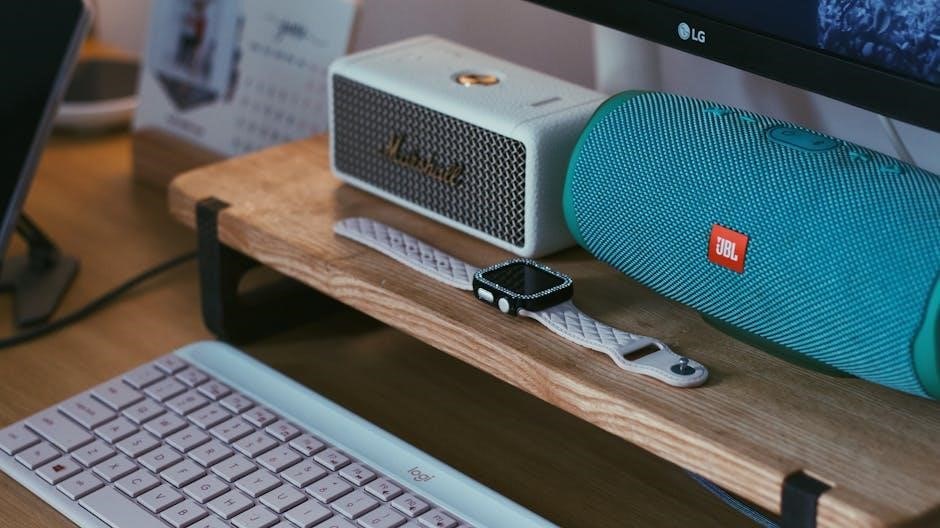
JBL Portable App Integration
Unlock advanced features! The JBL Portable app enables speaker configuration‚ software updates‚ and personalized sound settings for an enhanced listening experience.
Download the app to control your speaker and access its full potential.
Downloading and Installing the App
Accessing the JBL Portable App is simple! Begin by visiting either the Apple App Store for iOS devices or the Google Play Store for Android smartphones and tablets.
In the search bar‚ type “JBL Portable” and locate the official application developed by JBL. Ensure it’s the correct app by verifying the developer name.
Tap the “Install” button and allow the app to download and install on your device; The download time will vary depending on your internet connection speed.
Once installed‚ open the app. You may be prompted to grant certain permissions‚ such as Bluetooth access‚ which are necessary for the app to communicate with your speaker.
Accept these permissions to proceed and begin configuring your JBL speaker.
Speaker Configuration within the App
Once the JBL Portable app is open and connected to your speaker‚ you can begin customizing your audio experience. The app interface allows for several configuration options.
Explore features like EQ settings to fine-tune the sound to your preference‚ adjusting bass‚ mid‚ and treble levels for optimal clarity. You can also manage connected devices.
The app enables you to personalize speaker settings‚ including renaming your speaker for easy identification and setting up stereo pairing with compatible JBL speakers.
Furthermore‚ you can access advanced features like PartyBoost‚ allowing you to connect multiple JBL speakers for a synchronized audio experience. Explore and enjoy!
Software Updates and Firmware
Maintaining up-to-date software is crucial for optimal speaker performance and access to the latest features. The JBL Portable app regularly checks for firmware updates.
When an update is available‚ the app will prompt you to download and install it. Ensure your speaker is connected to a stable Wi-Fi network and has sufficient battery life during the process.
Firmware updates often include bug fixes‚ performance improvements‚ and new functionalities‚ enhancing your overall listening experience. Do not interrupt the update process.
Interruptions could potentially damage your speaker. Following the on-screen instructions within the app guarantees a smooth and successful update‚ keeping your JBL speaker optimized.
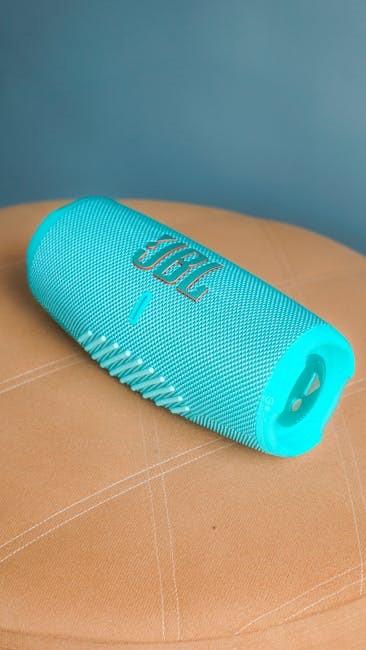
Understanding Speaker Features
Explore key features! Discover waterproof/dustproof ratings‚ powerbank capabilities‚ and PartyBoost for multi-speaker connectivity‚ maximizing your JBL speaker experience.
Waterproof and Dustproof Capabilities
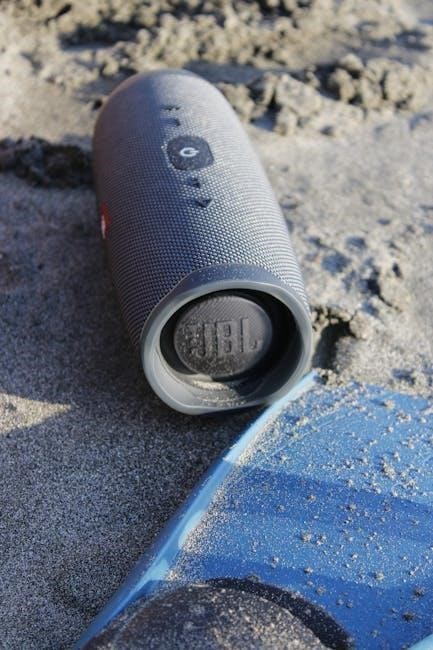
Enjoy worry-free listening! Many JBL speakers boast impressive waterproof and dustproof ratings‚ typically indicated by an IPX rating. This means your speaker can withstand splashes‚ rain‚ and even temporary submersion – perfect for poolside parties or beach trips.
However‚ it’s crucial to avoid exposing the charging port to water while charging. Do not expose the JBL Flip 4 to water when charging the battery. The IPX rating applies to the speaker body‚ not necessarily all components.
Dustproof features protect against sand and dirt‚ ensuring reliable performance in outdoor environments. Always check your specific model’s IP rating for detailed protection levels.
Powerbank Functionality (if applicable)
Stay connected on the go! Select JBL speaker models offer a convenient powerbank feature‚ allowing you to charge your smartphones or tablets directly from the speaker’s battery.
To utilize this functionality‚ simply connect your device to the speaker’s USB output port using a compatible USB cable. Charging speed will vary depending on your device and the speaker’s remaining battery capacity.
Keep in mind that using the powerbank feature will drain the speaker’s battery faster. Monitor the battery level within the JBL Portable app to ensure sufficient power for continued music playback.
PartyBoost Mode & Connecting Multiple Speakers
Amplify your audio experience! JBL PartyBoost allows you to wirelessly connect multiple compatible JBL speakers for a more immersive and powerful sound. This feature synchronizes the audio across all connected speakers‚ creating a wider soundstage.
To activate PartyBoost‚ press the PartyBoost button on the primary speaker. Then‚ press the PartyBoost button on each additional speaker you wish to connect. The speakers will automatically pair and synchronize.
You can connect up to 100 compatible speakers with PartyBoost‚ ensuring a truly massive sound for any event. Control the volume and playback from the primary speaker.

Troubleshooting Common Issues
Resolve quickly! This section provides solutions for Bluetooth connectivity‚ sound quality problems‚ and charging concerns‚ ensuring seamless speaker operation.
Find fixes for common issues and regain optimal performance with our easy-to-follow troubleshooting steps and helpful guidance.
Bluetooth Connection Problems
Experiencing connection difficulties? First‚ ensure Bluetooth is enabled on your device and the speaker is in pairing mode – often activated by pressing the Bluetooth button.
If unsuccessful‚ try forgetting the speaker in your device’s Bluetooth settings and re-pairing. Interference from other wireless devices can also cause issues; move away from potential sources.
Confirm the speaker isn’t already connected to another device. A speaker can typically only connect to one device at a time. Restarting both your speaker and the connecting device often resolves temporary glitches.
Check for software updates via the JBL Portable app‚ as outdated firmware can sometimes cause connectivity problems. Finally‚ ensure the speaker is within the Bluetooth range (typically around 30 feet).
Sound Quality Issues
Poor audio quality? Begin by verifying the volume levels on both your speaker and the connected device. Ensure the audio source file isn’t corrupted or of low quality. Experiment with different audio sources to isolate the problem.
If using Bluetooth‚ try moving closer to the speaker to minimize potential interference. Check the speaker’s EQ settings within the JBL Portable app; adjustments may improve sound.
Confirm the speaker’s drivers aren’t obstructed. Clean them gently if necessary. A full battery charge can also impact sound quality; ensure adequate power.
Test with a different audio cable (if using an auxiliary connection) to rule out a faulty cable. Finally‚ a factory reset might resolve persistent software-related sound issues.
Charging and Battery Concerns
Speaker not charging? First‚ verify the charging cable and adapter are functioning correctly with another device. Ensure the charging port on the speaker is clean and free of debris. Avoid charging in extreme temperatures.
If the speaker charges slowly‚ try a different USB port or wall adapter. Battery life varies with volume and audio content; higher volumes drain the battery faster.
Avoid fully discharging the battery frequently‚ as this can reduce its lifespan. The JBL Portable app may display battery percentage and charging status.
If the battery seems to drain rapidly‚ a factory reset might help recalibrate the battery management system. Contact JBL support if issues persist.
Safety Precautions and Warnings
Protect your investment! Avoid permanent damage by preventing water exposure during charging and extreme temperatures. Always use proper charging procedures.
Do not disassemble or attempt repairs yourself; contact JBL support for assistance. Handle with care to prevent physical damage.
Avoiding Permanent Speaker Damage
Protecting your JBL speaker is crucial for longevity. Avoid exposing the speaker to extreme temperatures‚ as heat can degrade internal components and battery life. Never disassemble the speaker‚ as this voids the warranty and risks irreversible damage.
Crucially‚ do not expose the charging port to liquids. Water damage is a primary cause of speaker failure. Ensure the charging port is completely dry before connecting a power source. Avoid dropping the speaker‚ as impacts can damage the internal circuitry and housing.
Furthermore‚ using incompatible chargers can lead to battery issues and potential damage. Always use the provided JBL charger or a certified equivalent. Improper charging can significantly reduce battery lifespan and even pose a safety hazard.
Proper Charging Procedures
To maximize battery life and ensure safe operation‚ always use the provided JBL USB-C cable and power adapter. Avoid using damaged cables or adapters‚ as they can cause inconsistent charging or damage the speaker. Fully charge the speaker before its initial use to optimize battery performance.
Do not leave the speaker charging unattended for extended periods after it reaches full charge. While JBL speakers have overcharge protection‚ prolonged charging can still impact long-term battery health. Disconnect the charger once the speaker is fully charged.
Avoid charging the speaker in extremely hot or cold environments‚ as temperature extremes can affect charging efficiency and battery lifespan. Ensure the charging port is clean and free of debris before connecting the cable.
Technical Specifications
Explore detailed specifications! Discover dimensions‚ weight‚ power input/output‚ and Bluetooth version/range for your JBL speaker model‚ ensuring informed usage.
Speaker Dimensions and Weight
Understanding the physical attributes of your JBL speaker is crucial for placement and portability. Dimensions vary significantly between models‚ ranging from compact‚ handheld sizes like the JBL Go 3 – approximately 86.3 x 56.0 x 72.2 mm and weighing around 184 grams – to larger‚ more powerful options such as the JBL Xtreme 3.
The Xtreme 3 measures roughly 328 x 136 x 174 mm and tips the scales at approximately 4.3 kg. Always refer to the specific product packaging or the JBL website for the precise measurements and weight of your particular speaker model. Knowing these details aids in selecting appropriate storage solutions and assessing transport convenience.
Power Input and Output
Powering your JBL speaker requires understanding its input and output specifications. Most models operate on a standard input voltage of 100-240V‚ 50/60Hz‚ accommodating various regional power supplies. The output power‚ measured in Watts (W)‚ dictates the speaker’s loudness and clarity; this varies greatly by model‚ from the JBL Go 3’s 5W to the Xtreme 3’s substantial 50W RMS for the woofer and 20W for the tweeter.
USB-C charging is common‚ with input power around 5V/3A. Some speakers also offer a USB-A output for charging external devices‚ typically at 5V/2A. Always use the provided power adapter to ensure optimal performance and avoid damage.
Bluetooth Version and Range
Connectivity is key‚ and your JBL speaker utilizes Bluetooth for wireless audio streaming. Most current models feature Bluetooth 5.0 or later‚ offering improved speed‚ range‚ and reliability compared to older versions. The typical Bluetooth range is approximately 33 feet (10 meters) in open space‚ though obstacles like walls and interference can reduce this.
Ensure your source device also supports Bluetooth for optimal pairing. Some speakers support multiple Bluetooth connections‚ allowing you to switch between devices seamlessly. Check your specific model’s specifications for precise Bluetooth version and range details.