
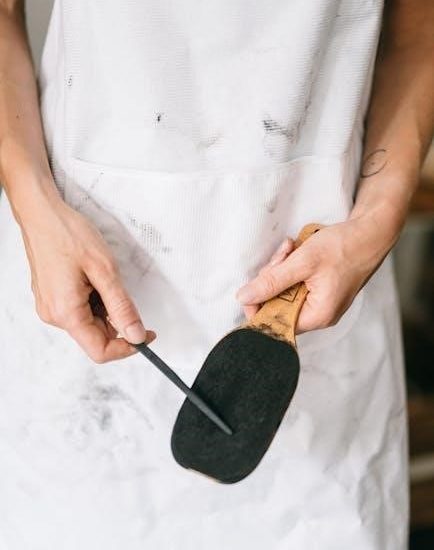
Sharpening angle guides are essential tools for maintaining optimal blade performance, dictating edge geometry for sharpness versus durability. They ensure consistent results!
These guides assist both novice and experienced users in achieving and holding the correct angle during the sharpening process, improving efficiency.
Proper angle selection impacts a blade’s ability to cut effectively and retain its edge, making guides invaluable for various cutting tools.
What is a Sharpening Angle Guide?
Sharpening angle guides are tools designed to help maintain a consistent angle when sharpening blades. They come in various forms – magnetic, clip-on, or integrated into sharpening systems – each offering a way to standardize the sharpening process.
Essentially, a guide physically assists in positioning the blade at the desired angle relative to the sharpening stone or abrasive surface. This is crucial because the angle directly influences the resulting edge geometry, impacting sharpness and durability.
Without a guide, achieving and maintaining a consistent angle relies heavily on skill and experience, which can be challenging for beginners or when dealing with complex blade shapes.
Why Use a Sharpening Angle Guide?
Using a sharpening angle guide ensures consistent, repeatable results, eliminating guesswork and improving sharpening efficiency. Maintaining a precise angle is paramount; it dictates whether a blade will be razor-sharp but fragile, or durable but less acute.
Guides are particularly beneficial for beginners, providing a learning aid and building muscle memory for proper technique. Even experienced users benefit from the precision they offer, especially with challenging blade geometries.
Ultimately, a guide helps maximize a blade’s performance and longevity, preventing damage and ensuring optimal cutting ability.
Understanding Knife Sharpening Angles
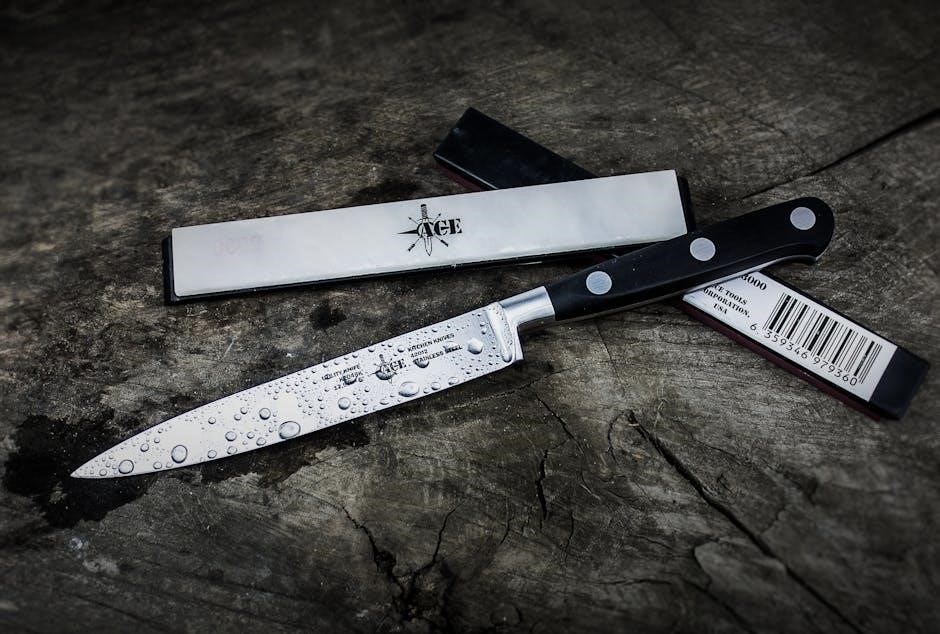
Knife sharpening angles are critical; they define the edge’s geometry, balancing sharpness and durability. Selecting the correct angle is vital for optimal performance!
Different angles suit various knife types and intended uses, impacting cutting ability and edge retention.
Common Sharpening Angles and Their Uses
A 15-20 degree angle creates a razor-sharp edge, ideal for slicing and detail work, commonly found on straight razors and some kitchen knives. However, this edge is more fragile.
A 20-25 degree angle is a versatile choice for most kitchen knives, offering a good balance between sharpness and durability, suitable for everyday tasks.
A 25-30 degree angle is robust, excellent for heavier-duty knives like hunting or survival blades, prioritizing edge retention over extreme sharpness. It withstands abuse.
Angles above 30 degrees are typically reserved for axes and machetes, emphasizing durability and chopping power, sacrificing fine slicing capabilities.
The Relationship Between Angle, Sharpness, and Durability
A lower sharpening angle produces a thinner, sharper edge, maximizing cutting efficiency but reducing durability. This delicate edge is prone to chipping or rolling with heavy use.
Conversely, a higher angle creates a thicker, more robust edge, sacrificing initial sharpness for increased resistance to wear and tear. It’s ideal for demanding tasks.
The optimal angle represents a compromise between these two extremes, tailored to the knife’s intended purpose and the steel’s properties.
Understanding this relationship is crucial for selecting the appropriate angle and achieving the desired blade performance.
Types of Sharpening Angle Guides
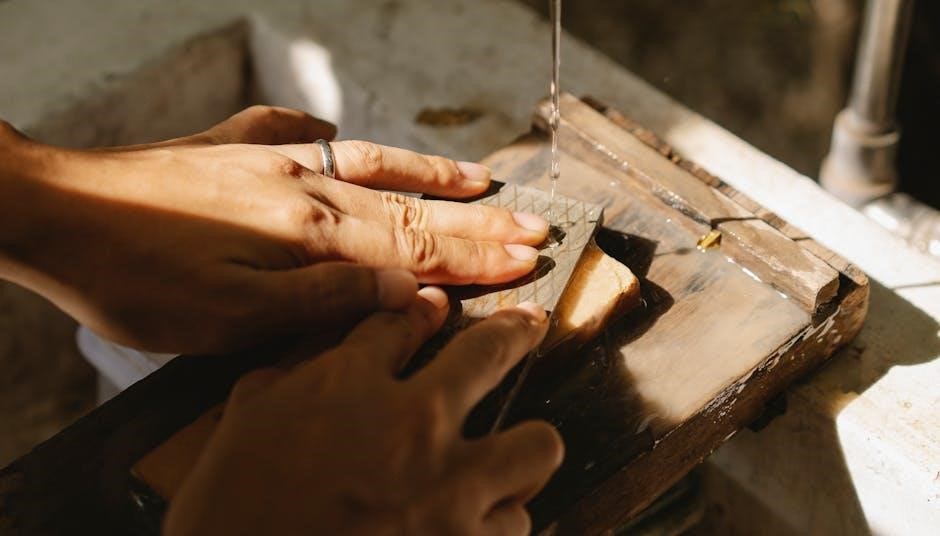
Sharpening angle guides come in various forms, including magnetic, clip-on, and fixed angle systems. Each offers unique benefits for different sharpening preferences.
Magnetic guides attach to the blade, clip-ons secure to the spine, and fixed systems provide pre-set angles for consistent results.
Magnetic Angle Guides
Magnetic angle guides utilize a small, powerful magnet to adhere to the knife blade, maintaining the desired sharpening angle. These are generally lightweight and versatile, working with various blade shapes and sizes.
They offer a good balance between portability and precision, making them suitable for both beginners and experienced sharpeners. However, the magnetic hold might not be as secure on all blade types, potentially leading to slippage during the sharpening process.
Users should ensure a firm connection before applying pressure with a sharpening stone or rod. They are often adjustable, allowing for different angles to be set.
Clip-On Angle Guides
Clip-on angle guides attach directly to the knife blade’s spine, providing a physical barrier to ensure a consistent sharpening angle. These guides are typically made of plastic or metal and offer a secure fit for many blade geometries.
They are known for their stability and ease of use, reducing the risk of angle deviation during sharpening. However, some clip-on guides may not accommodate extremely thick or uniquely shaped blades.
Adjustability is a key feature, allowing users to select the appropriate angle for their specific knife and intended purpose.
Fixed Angle Sharpening Systems
Fixed angle sharpening systems offer the most consistent angle control, employing pre-set guides or jigs that lock the blade in place. These systems often include a base with slots or holders designed for specific sharpening angles.
They are ideal for users seeking repeatable results and minimal effort, as the angle is maintained throughout the sharpening process. However, they may lack the versatility of other guide types.
These systems are particularly useful for sharpening pocket knives and maintaining a consistent edge on frequently used blades.
Choosing the Right Sharpening Angle Guide
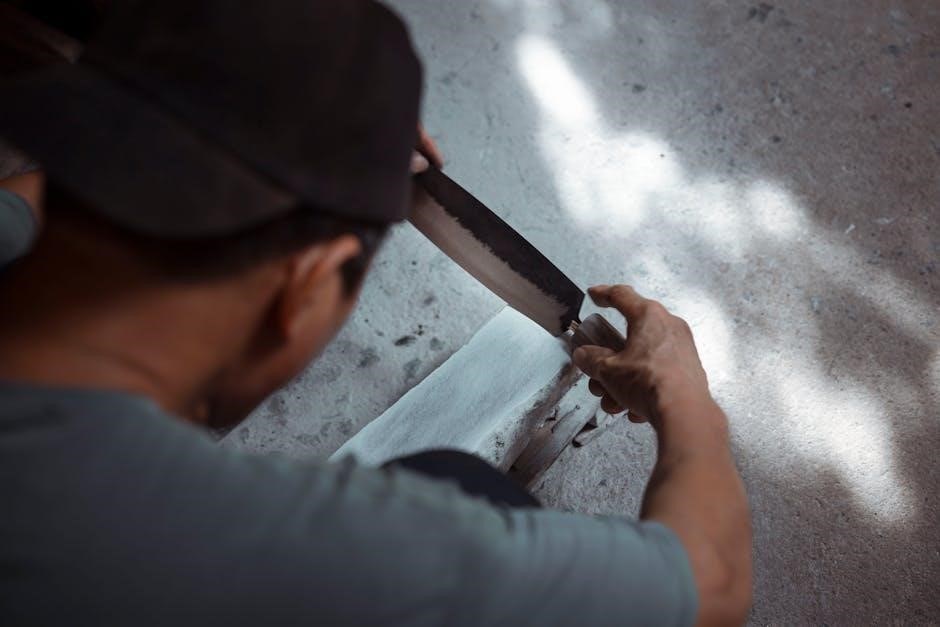
Selecting the ideal guide depends on knife type, steel hardness, and desired precision. Consider adjustability, build quality, and your sharpening skill level.
Prioritize guides that securely hold the blade and offer stable, consistent angle maintenance for optimal results.
Factors to Consider: Knife Type and Steel
Different knives require varying angles; a chef’s knife benefits from 20-22 degrees, while a pocketknife might use 25-30. Harder steels, like those found in some Japanese knives, can hold an edge at lower angles.
Softer steels need a higher angle for durability. Consider the blade’s intended use – slicing requires a lower angle for sharpness, while chopping demands a higher angle for robustness.
The guide should accommodate the knife’s blade shape and size, ensuring a secure fit. Matching the guide to the steel type and knife application is crucial for achieving optimal sharpening results.
Adjustability and Precision
Adjustability is key; a versatile guide allows you to match the sharpening angle to different knife types and steel hardnesses. Precision ensures consistent results, vital for a sharp, reliable edge.
Look for guides with clear angle markings and secure locking mechanisms to prevent slippage during use. Micro-adjustments are beneficial for fine-tuning the angle.
A stable and well-constructed guide minimizes wobble, enhancing accuracy. The ability to consistently reproduce the desired angle is paramount for maintaining optimal blade performance over time.
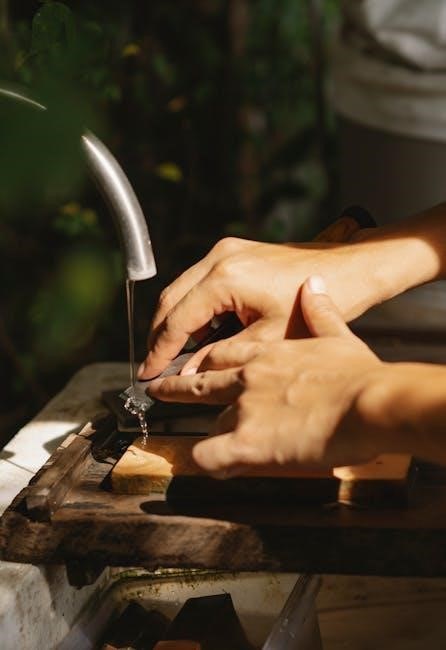
Using a Sharpening Angle Guide: A Step-by-Step Approach
Begin by securely attaching the guide to your blade, then maintain consistent pressure and angle throughout each sharpening stroke for optimal results.
Practice makes perfect; slow, controlled movements yield the best edge.
Setting Up the Guide
Proper setup is crucial for effective sharpening. Begin by carefully selecting the appropriate angle for your knife type and intended use – lower angles for finer slicing, higher for durability.
Securely attach the sharpening angle guide to the blade, ensuring a snug fit to prevent slippage during the process. Magnetic guides clamp on, while clip-on versions require precise positioning.
Double-check the alignment; the guide should be perfectly perpendicular to the blade’s edge. A stable setup guarantees consistent angle maintenance throughout sharpening, leading to a refined and functional edge.
Maintaining Consistent Angle During Sharpening
Consistency is paramount when sharpening. Gently apply pressure, keeping the blade firmly against the guide throughout each stroke. Avoid altering the angle mid-stroke, as this leads to uneven sharpening and a suboptimal edge.
Move the blade in a smooth, controlled motion, following the guide’s contour. Regularly check the angle to ensure it hasn’t shifted, especially with longer blades or during extended sharpening sessions.
Focus on maintaining contact and a steady rhythm; the guide provides the framework, but your technique dictates the final result – a sharp, consistent edge.
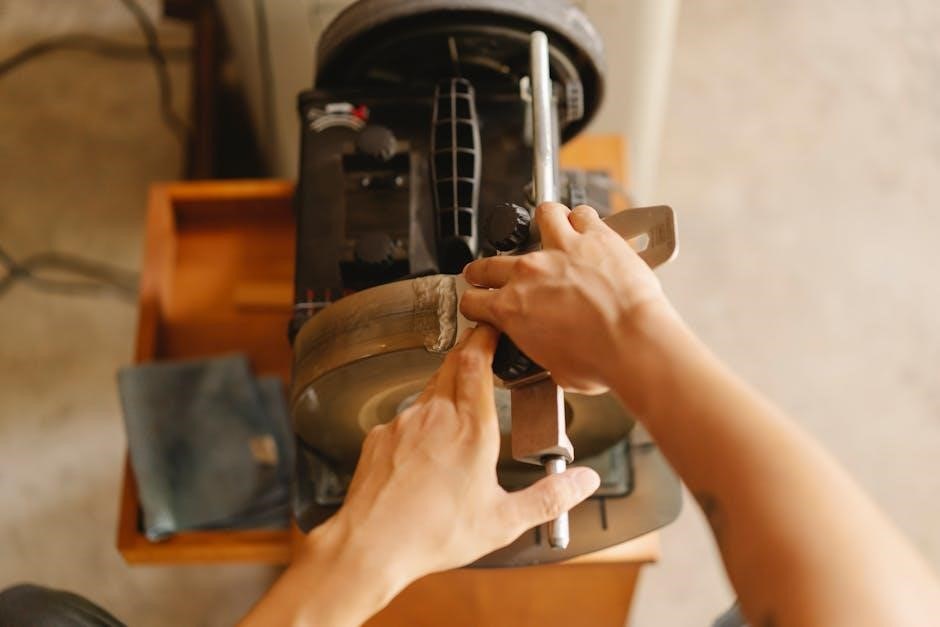
Advanced Techniques and Considerations
Mastering blade shapes and addressing edge damage requires adapting sharpening techniques. Guides aid in complex geometries, restoring damaged edges with precision and control.
Understanding steel types and their optimal angles enhances sharpening outcomes, maximizing blade performance and longevity.
Sharpening Different Blade Shapes
Utilizing a sharpening angle guide becomes crucial when dealing with diverse blade geometries. Japanese knives, often featuring thinner profiles, benefit from lower angles for exceptional sharpness, while heavier blades like those found on cleavers require higher angles for durability.
Curved blades, such as those on kukris or scimitars, demand careful guide manipulation to maintain consistent contact along the entire edge. Serrated blades necessitate specialized guides or techniques, focusing on maintaining the existing serration angles. A guide ensures uniform sharpening across complex curves, preventing uneven wear and optimizing cutting performance for each unique blade shape.
Dealing with Existing Edge Damage
When addressing chipped or rolled edges, a sharpening angle guide is invaluable for controlled repair. Begin with a coarser grit to remove significant damage, maintaining the guide’s angle to establish a new, consistent bevel.
Progress to finer grits, consistently using the guide, to refine the edge and eliminate scratches. For severe damage, a lower sharpening angle might be initially employed to rebuild the edge, followed by returning to the original angle. The guide prevents further damage and ensures a uniform, functional edge restoration.

Troubleshooting Common Issues
Common problems include guide slippage and inconsistent sharpening. Ensure secure attachment and maintain firm, even pressure during each stroke for optimal results.
Regularly inspect the guide for wear, and adjust technique if needed to achieve a uniform edge.
Guide Slippage
Guide slippage is a frequent frustration when using sharpening angle guides, often stemming from insufficient clamping force or an improperly prepared blade surface. Ensure the guide is firmly secured to the blade before commencing sharpening, tightening any adjustment knobs or screws adequately.
Clean both the blade and the guide’s contact points to remove oil or debris that could reduce friction. Consider using a guide with a non-slip base or adding a thin rubber pad for enhanced grip. Maintaining consistent downward pressure throughout the sharpening stroke also minimizes movement.
Inconsistent Sharpening Results
Inconsistent sharpening results often arise from failing to maintain a constant angle throughout each stroke, even with a guide. Verify the guide remains firmly attached and isn’t shifting during use. Ensure even pressure distribution along the blade’s edge, avoiding excessive force in one area.
Check your sharpening technique; slow, controlled strokes are crucial. Inspect the sharpening stone or abrasive for uneven wear. Finally, confirm the guide’s angle setting matches the knife’s intended edge angle for optimal, repeatable outcomes.

Best Sharpening Angle Guides on the Market (2026)
In 2026, top guides balance precision, adjustability, and price. Options range from budget-friendly clip-ons to professional fixed systems, catering to diverse needs.
Budget-Friendly Options
For cost-conscious sharpeners, several excellent angle guides deliver impressive performance without breaking the bank. Clip-on guides, often made of plastic or lightweight metal, provide a simple and effective way to maintain a consistent angle.
These are particularly useful for beginners learning proper technique. Magnetic guides, attaching directly to the blade, offer stability and are readily available at affordable price points.
While they may lack the robustness of higher-end systems, these options are ideal for occasional sharpening tasks and maintaining everyday knives. They represent a smart entry point into guided sharpening.
Professional-Grade Guides
Professional sharpeners and serious enthusiasts demand precision and durability, leading them to invest in high-end angle guides. Fixed angle sharpening systems, like those with ceramic or diamond stones, offer unparalleled consistency and control.
These systems often feature adjustable clamps and robust construction, ensuring long-term reliability. Premium magnetic guides utilize stronger magnets and more precise angle markings.
Such guides are built to withstand frequent use and deliver consistently sharp edges on a wide variety of blade types, justifying their higher price point for dedicated users.
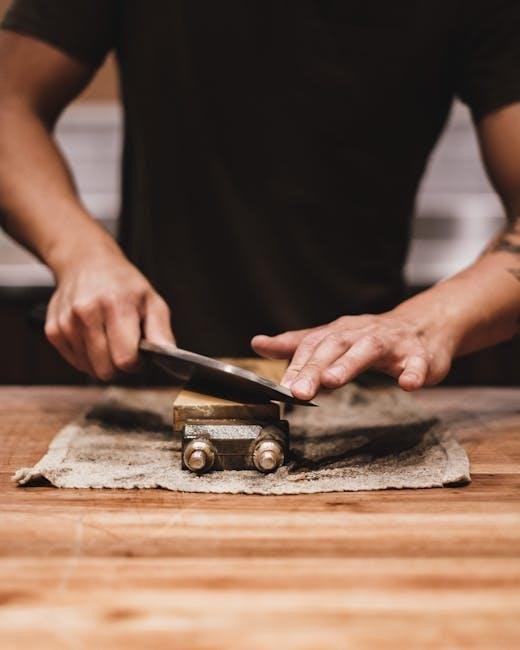
Maintaining Your Sharpening Angle Guide
Regular cleaning after each use prevents abrasive buildup, ensuring accuracy. Inspect for wear and tear – replace worn parts promptly for optimal performance and longevity.
Cleaning and Storage
Consistent cleaning is paramount for maintaining the precision of your sharpening angle guide. After each sharpening session, thoroughly remove any metal filings or abrasive residue using a soft brush or cloth; A mild solvent can assist with stubborn particles.
Proper storage prevents damage and ensures longevity. Store the guide in a dry environment, away from extreme temperatures and humidity. A dedicated case or pouch protects it from scratches and impacts. Avoid leaving it exposed to the elements or in areas prone to dust accumulation.
Regular maintenance extends the guide’s lifespan and guarantees consistent, accurate sharpening results.
Inspecting for Wear and Tear
Regular inspection is crucial for ensuring your sharpening angle guide maintains accuracy. Examine the guide’s surfaces for any signs of wear, such as scratches, dents, or corrosion. Pay close attention to the angle-defining edges, as these are most susceptible to damage.
Check for looseness in any adjustable components, like screws or clamps. Tighten as needed. A wobbly or damaged guide will compromise sharpening precision. Replace worn or broken parts promptly to maintain optimal performance and consistent results.
Proactive inspection prevents inaccurate sharpening.
The Future of Sharpening Angle Technology
Innovations in angle guide design focus on enhanced precision and integration with automated sharpening systems, promising smarter, easier blade maintenance.
Expect more dynamic adjustability and potentially AI-powered angle selection for optimal edge geometry.
Innovations in Angle Guide Design
Current trends showcase a shift towards more sophisticated sharpening angle guide designs, moving beyond simple static setups. Manufacturers are exploring dynamic systems that automatically adjust to the blade’s curvature, ensuring consistent contact throughout the sharpening stroke.
Materials are also evolving, with increased use of durable, yet lightweight alloys and polymers for improved stability and longevity. We’re seeing guides incorporating laser alignment features for pinpoint accuracy, and micro-adjustment mechanisms for incredibly precise angle control.
Furthermore, ergonomic designs prioritize user comfort and reduce fatigue during extended sharpening sessions, making the process more accessible and efficient for all skill levels.
Integration with Sharpening Systems
Modern sharpening systems increasingly feature integrated angle guides, offering a seamless and highly precise sharpening experience. These systems often combine guided platforms with powered sharpening wheels or belts, automating the angle maintenance process;
Digital angle readouts and pre-programmed settings for various blade types are becoming commonplace, simplifying sharpening for beginners and enhancing consistency for professionals; Some systems allow for remote control and data logging, tracking sharpening progress.
This integration minimizes user error and maximizes efficiency, delivering consistently sharp edges with minimal effort and ensuring optimal blade performance.