
Pool Pump Manual: A Comprehensive Guide
This manual offers a step-by-step troubleshooting guide, covering electrical issues, priming, and circulation problems, ensuring efficient pool pump operation and longevity.
Understanding Your Pool Pump
Pool pumps are the heart of your filtration system, circulating water for cleanliness and clarity. A functional pump ensures proper chemical distribution and comfortable swimming. Troubleshooting guides emphasize safety first, assessing problems like no start-up or poor circulation. Understanding components – the motor, impeller, and volute housing – is crucial for maintenance. Regular inspection and cleaning, detailed in a pool pump manual, prevent costly repairs. Familiarize yourself with your pump’s specific model and its operational parameters for optimal performance and extended lifespan.

Types of Pool Pumps
Pool pump manuals detail three primary types: single-speed, two-speed, and variable-speed. Single-speed pumps operate at one fixed rate, often less energy-efficient. Two-speed pumps offer high and low settings, balancing filtration and energy savings. Variable-speed pumps provide customizable flow rates, maximizing efficiency and quiet operation. Choosing the right pump depends on pool size, usage, and energy cost considerations. A comprehensive pool pump manual will guide you through the benefits and drawbacks of each type, aiding informed decision-making.
Single-Speed Pumps
Pool pump manuals explain that single-speed pumps are the traditional, most basic type. They operate at a constant, fixed speed, typically utilizing more energy than newer models. While generally less expensive upfront, long-term operating costs can be higher due to continuous high-speed operation. These pumps are straightforward in design and often easier to repair, as detailed in a typical pool pump manual. However, they lack the efficiency and customization options of two-speed or variable-speed alternatives.
Two-Speed Pumps
A pool pump manual will detail how two-speed pumps offer a balance between cost and efficiency. They feature two operational speeds: a high speed for cleaning and a lower speed for filtration. This reduces energy consumption compared to single-speed pumps, as the lower speed uses significantly less power. Pool pump manuals often recommend using the low speed for most daily operation, switching to high speed only when necessary for tasks like vacuuming or backwashing. They represent a step up in technology and savings.
Variable-Speed Pumps
A comprehensive pool pump manual explains that variable-speed pumps are the most energy-efficient option available. These pumps allow for precise control over motor speed, enabling customization for optimal filtration and reduced energy usage. Pool pump manuals emphasize programming the pump to run at lower speeds for extended periods, maximizing efficiency. They often include detailed instructions on setting schedules and adjusting speeds based on pool usage and needs, resulting in substantial cost savings over time.
Pool Pump Components
A detailed pool pump manual identifies three key components: the motor, impeller, and volute housing. The motor provides the power, while the impeller spins to create suction and water flow. The volute housing directs water flow and increases pressure. Pool pump manuals often include exploded diagrams illustrating each part’s location and function. Understanding these components is crucial for troubleshooting and maintenance, as outlined in the pool pump manual, ensuring optimal performance and longevity.
Motor
The pool pump manual emphasizes the motor as the pump’s power source. It converts electrical energy into mechanical energy, driving the impeller. Pool pump manuals detail motor specifications like horsepower (HP) and voltage. A faulty motor, as described in the pool pump manual’s troubleshooting section, can prevent the pump from starting. Regular inspection, as per the pool pump manual, is vital; look for signs of overheating or unusual noises, potentially indicating motor failure;
Impeller
The pool pump manual identifies the impeller as the rotating component responsible for creating water flow. Driven by the motor, it draws water into the pump and expels it through the discharge. A damaged or clogged impeller, detailed in the pool pump manual’s troubleshooting guide, significantly reduces pump performance. The pool pump manual stresses regular inspection for debris or wear. Replacing a worn impeller, as outlined in the pool pump manual, restores optimal water circulation.
Volute Housing
The pool pump manual describes the volute housing as the pump’s outer casing, designed to collect the water propelled by the impeller. This component, detailed within the pool pump manual, efficiently converts velocity into pressure, ensuring effective water circulation. The pool pump manual’s troubleshooting section highlights potential cracks or leaks in the housing. Regular inspection, as per the pool pump manual, is crucial. Repairing or replacing the volute housing, guided by the pool pump manual, maintains pump integrity.
Installation Guide
The pool pump manual emphasizes safety during installation. Begin by verifying all local electrical codes, detailed in the pool pump manual. Proper electrical connections, as illustrated in the pool pump manual, are vital to prevent hazards. Next, carefully connect the plumbing connections, following the pool pump manual’s diagrams. Ensure tight seals to avoid leaks. The pool pump manual stresses the importance of priming the pump before initial operation. Refer to the pool pump manual for specific model instructions;
Electrical Connections
The pool pump manual strictly advises disconnecting power before any electrical work. Verify voltage compatibility, detailed in the pool pump manual, before connecting wires. Use appropriately sized wiring, as specified in the pool pump manual, to handle the pump’s amperage. Grounding is crucial; the pool pump manual provides grounding instructions. Ensure all connections are secure and protected from moisture, per the pool pump manual. A dedicated circuit, as recommended in the pool pump manual, prevents overloads. Always consult a qualified electrician.
Plumbing Connections
The pool pump manual emphasizes using appropriate PVC primer and cement for secure joints. Ensure pipes align correctly before cementing, referencing diagrams in the pool pump manual. Check for leaks immediately after installation, as detailed in the pool pump manual. Use Teflon tape on threaded connections, per the pool pump manual’s guidance. The pool pump manual specifies proper pipe sizing to maintain flow rate. Avoid over-tightening fittings, as noted in the pool pump manual. Regularly inspect connections for cracks or wear, following the pool pump manual’s maintenance schedule.

Operating Instructions
Consult your pool pump manual before initial startup. Always verify proper electrical connections, as outlined in the pool pump manual. Prior to operation, ensure the pump is adequately primed, following the pool pump manual’s priming procedure. Establish a pump run time schedule based on pool size and usage, detailed in the pool pump manual. Monitor water flow and pressure gauges regularly, referencing the pool pump manual’s normal operating ranges. Never operate a dry pump; consult the pool pump manual for troubleshooting. Adhere to all safety precautions listed in the pool pump manual.
Priming the Pump
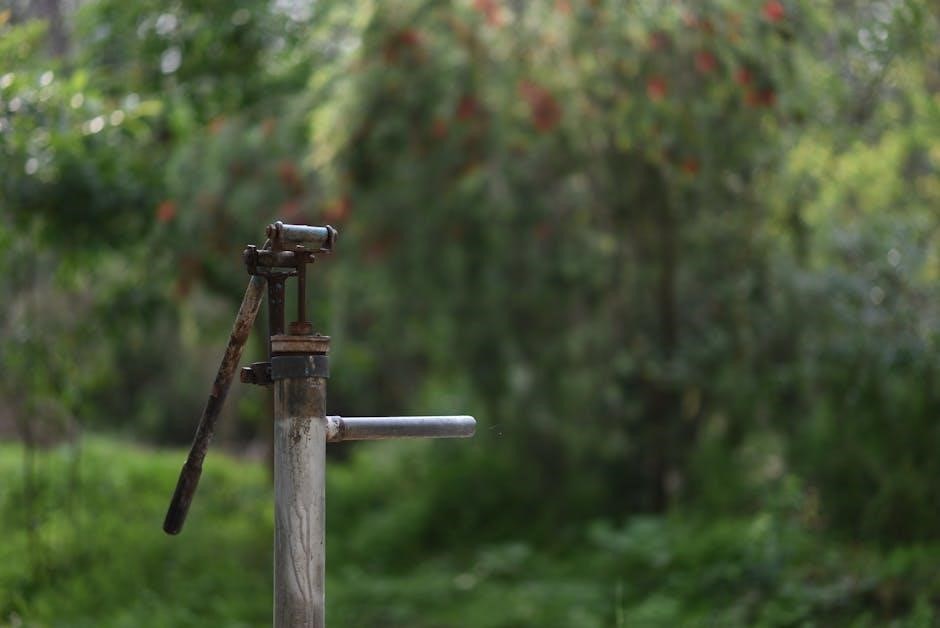
Before starting, verify the pool pump manual’s priming instructions. Ensure the pump basket is clean and filled with water. Open the air relief valve on the pump housing, as detailed in the pool pump manual. Slowly add water into the pump housing until fully submerged, referencing the pool pump manual’s diagrams. Close the air relief valve tightly. Start the pump briefly to check for leaks, guided by the pool pump manual. If it doesn’t prime, repeat the process, consulting the pool pump manual’s troubleshooting section. Always follow the pool pump manual’s safety guidelines.

Pump Run Time Scheduling
Optimize energy use by scheduling pump run times, as outlined in your pool pump manual. Generally, 8-12 hours daily is sufficient, but adjust based on pool size and usage, per the pool pump manual. Variable-speed pumps, detailed in the pool pump manual, benefit from longer, slower run times. Consider using a timer or automation system, referencing the pool pump manual’s compatibility section. Avoid running the pump during peak electricity hours, as suggested in the pool pump manual’s efficiency tips. Always consult the pool pump manual for specific recommendations and safety precautions.
Troubleshooting Common Issues
This section of your pool pump manual details solutions for frequent problems. A pump that won’t start, as covered in the pool pump manual, often indicates electrical faults or a tripped breaker. No water circulation, detailed in the pool pump manual, suggests priming issues or obstructions. Leaks, addressed in the pool pump manual, require seal inspection. Always prioritize safety – disconnect power before inspecting, as the pool pump manual emphasizes. Refer to the pool pump manual’s diagrams for component locations. Consistent troubleshooting, guided by the pool pump manual, extends pump life.
Pump Won’t Start
If your pump fails to start, consult this section of the pool pump manual. First, verify the power supply and check for tripped circuit breakers, as detailed in the pool pump manual. A faulty motor capacitor is a common cause, explained in the pool pump manual. Inspect electrical connections for corrosion, referencing the pool pump manual’s diagrams. Ensure the pump is properly plugged in, as noted in the pool pump manual. If issues persist, consult a qualified technician, following the pool pump manual’s safety guidelines.
Pump Runs But No Water Circulation
If the pump operates but lacks water circulation, refer to this section of the pool pump manual. A primary cause is a clogged strainer basket, detailed in the pool pump manual. Inspect and clean it thoroughly. Check for obstructions in the suction or discharge lines, as illustrated in the pool pump manual. Verify proper priming, following the pool pump manual’s instructions. Air trapped within the system can also cause this, explained in the pool pump manual. If problems continue, consult a professional, adhering to the pool pump manual’s safety advice.
Pump Leaking Water
A leaking pump, addressed in this pool pump manual section, requires immediate attention. First, inspect all plumbing connections detailed in the pool pump manual for tightness and proper sealing. Examine the pump housing for cracks, referencing diagrams in the pool pump manual. Worn seals, covered in the pool pump manual’s maintenance section, are a common culprit. Carefully inspect and replace them as needed, following the pool pump manual’s instructions. If the leak persists, consult a qualified technician, always prioritizing safety as outlined in the pool pump manual.
Maintenance and Care
Regular maintenance, detailed in this pool pump manual, extends your pump’s lifespan. Routinely clean the strainer basket, preventing debris buildup as described in the pool pump manual. Inspect seals for wear and tear, replacing them per the pool pump manual’s guidance. Before winter, thoroughly winterize the pump, following the pool pump manual’s specific steps to prevent freeze damage. Consistent care, as outlined in this pool pump manual, ensures optimal performance and minimizes costly repairs, safeguarding your investment and pool enjoyment.
Cleaning the Strainer Basket
This pool pump manual emphasizes frequent strainer basket cleaning. Debris accumulation restricts water flow, reducing pump efficiency. Turn off the pump before opening the strainer basket housing, as detailed in this pool pump manual. Remove leaves, dirt, and other particles. Inspect the basket for cracks or damage, referencing the pool pump manual for replacement instructions. A clean basket, as this pool pump manual instructs, ensures optimal water circulation and prevents strain on the pump motor, prolonging its life and performance.

Inspecting and Replacing Seals
This pool pump manual details seal inspection procedures. Regularly check the pump’s seals for wear, cracks, or leaks, as outlined in this pool pump manual. Deteriorated seals cause water leakage and reduce pump efficiency. Refer to this pool pump manual for specific seal replacement instructions, including part numbers. Proper seal replacement, as described in this pool pump manual, requires disconnecting power and carefully removing the old seal. Always use a manufacturer-approved replacement, ensuring a watertight fit and optimal pump performance, per this pool pump manual.
Winterizing Your Pool Pump
This section of the pool pump manual guides you through winterization. Before freezing temperatures arrive, this pool pump manual instructs to disconnect power. Drain all water from the pump housing, volute, and pipes, as detailed in this pool pump manual. Remove drain plugs and store them safely. This pool pump manual recommends lubricating seals to prevent drying and cracking. Consider removing the pump for indoor storage, following this pool pump manual. Proper winterization, per this pool pump manual, protects your pump from freeze damage and ensures easy startup next season.

Safety Precautions
This pool pump manual emphasizes electrical safety: always disconnect power before servicing. Never work with electrical components while standing in water, as detailed in this pool pump manual. When handling pool chemicals, this pool pump manual advises wearing protective gear – gloves and eyewear. Avoid mixing chemicals, following this pool pump manual’s guidance. This pool pump manual stresses the importance of proper grounding. Ensure all electrical connections are secure. Keep children and pets away from the pump room, per this pool pump manual. Prioritize safety for reliable operation.
Electrical Safety

This pool pump manual mandates disconnecting power before any maintenance. Never touch electrical components with wet hands, as outlined in this pool pump manual. Ensure proper grounding to prevent shocks, a key point in this pool pump manual. Inspect wiring for damage regularly, per this pool pump manual’s instructions. Use a Ground Fault Circuit Interrupter (GFCI) outlet, as recommended by this pool pump manual. Avoid overloading circuits, a warning in this pool pump manual. If unsure, consult a qualified electrician, this pool pump manual advises. Prioritize electrical safety always.
Chemical Handling
This pool pump manual stresses careful chemical handling. Always add chemicals to water, never water to chemicals, as detailed in this pool pump manual. Wear protective gear – gloves and eyewear – when handling pool chemicals, per this pool pump manual. Store chemicals in a cool, dry, well-ventilated area, as this pool pump manual instructs. Never mix different chemicals together, a critical warning in this pool pump manual. Rinse the pump area thoroughly after any chemical spills, this pool pump manual advises. Follow chemical manufacturer’s instructions, as noted in this pool pump manual.
Understanding Pump Curves
This pool pump manual explains pump curves, graphical representations of a pump’s performance. They illustrate the relationship between flow rate and head pressure, vital for system design, as detailed in this pool pump manual. Understanding these curves helps select the right pump for your pool, as this pool pump manual emphasizes. A steeper curve indicates less flow variation with pressure changes, per this pool pump manual. This pool pump manual shows how to interpret curves for optimal efficiency. Proper pump sizing, guided by these curves, minimizes energy consumption, as this pool pump manual states.
Energy Efficiency Tips
This pool pump manual recommends utilizing variable-speed pumps, allowing customized flow rates and significant energy savings, as detailed in this pool pump manual. Run your pump during off-peak hours, reducing electricity costs, per this pool pump manual. Regularly clean the strainer basket to maintain optimal flow, as this pool pump manual advises. Minimize plumbing restrictions for efficient water circulation, according to this pool pump manual. Consider a pool cover to reduce heat loss and pump runtime, as this pool pump manual suggests. Proper sizing, guided by this pool pump manual, is crucial.
Warranty Information
This pool pump manual details a limited warranty covering manufacturing defects for a specified period, typically one to three years from the purchase date, as outlined in this pool pump manual. Warranty coverage requires proof of purchase and adherence to proper installation and maintenance guidelines, per this pool pump manual. Damage due to improper use, freezing, or unauthorized repairs voids the warranty, as stated in this pool pump manual. Contact the manufacturer or retailer for warranty claims, referencing your pool pump manual.

Frequently Asked Questions (FAQ)
Q: Why won’t my pump start? Check the breaker and power supply, referencing this pool pump manual. Q: What causes low water flow? Inspect the strainer basket and plumbing for obstructions, as detailed in this pool pump manual. Q: How often should I prime the pump? Only when necessary, following the priming instructions in this pool pump manual. Q: Can I run the pump 24/7? Variable-speed pumps allow this, but consult this pool pump manual for guidance.
Resources and Support
For additional assistance beyond this pool pump manual, visit K2Pumps.com or call 844-242-2475 for customer service. SwimU.com offers a Pool Care Cheat Sheet and Handbook, alongside a comprehensive video course. Explore online forums dedicated to pool pump maintenance and troubleshooting. Refer to the manufacturer’s website for detailed specifications and warranty information related to your specific pool pump model. Always prioritize safety when performing any repairs.